STEM CELL 101
What are Stem Cells?
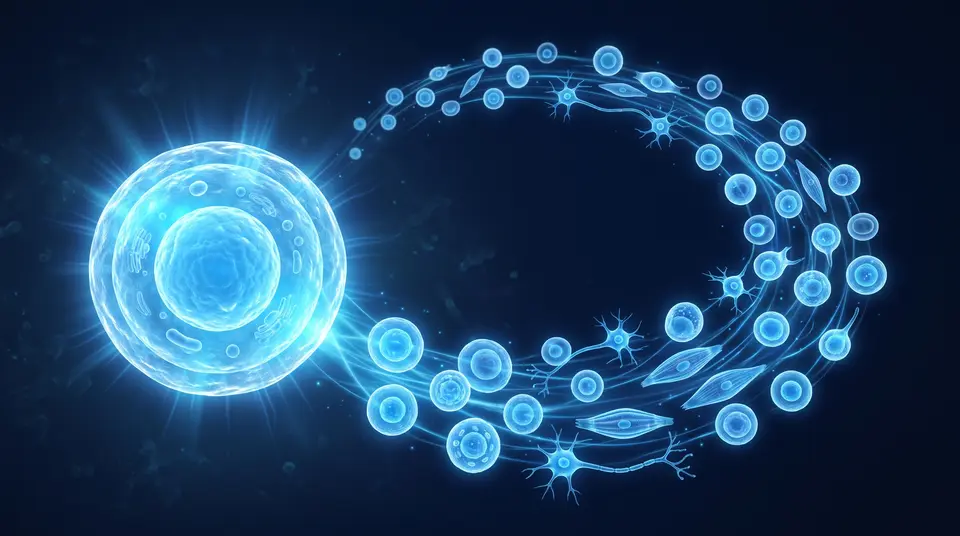
They are the body's progenitor cells, with two special abilities:
01
They can divide and multiply over a long period of time.
02
They can develop into different cell types — such as skin cells, muscle cells, nerve cells or blood cells.
Stem cells are like "mother cells" that can produce many kinds of daughter cells — acting like spare parts that repair and replace cells that have deteriorated or been damaged.
What is Stem Cell Therapy?
It is the introduction of stem cells into the body, with the aim of helping repair, restore or replace cells and tissues damaged by disease or injury.
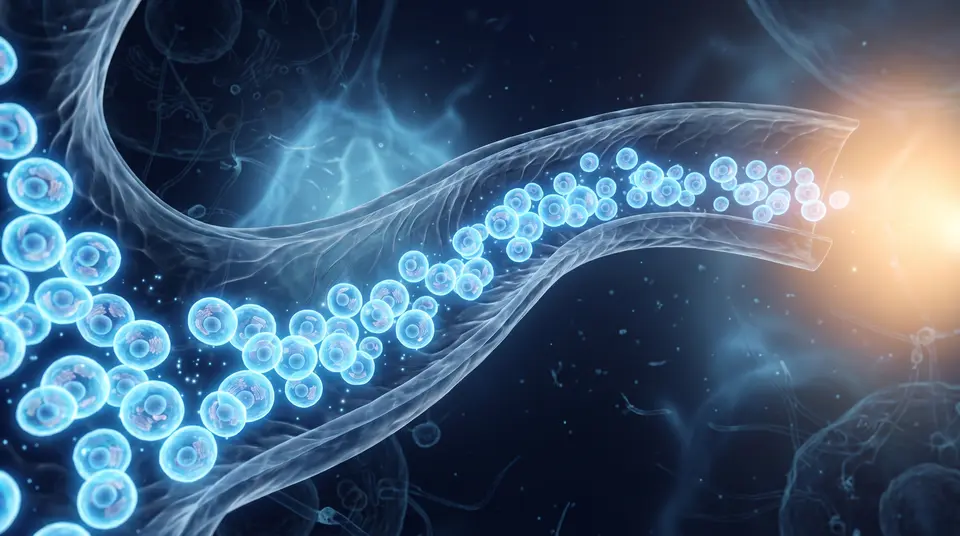
Stem cells may be administered in several ways, such as:
- Intravenous infusion
- Injection directly into an affected organ or joint
- Stem cell transplantation, such as bone marrow transplantation
Where do stem cells come from?
Commonly used sources include:
- Bone marrow — the patient's own or a donor's
- The patient's own adipose (fat) tissue
- Umbilical cord blood collected after birth
- Other sources cultured in the laboratory
Which conditions can be treated?
Proven, standard-of-care treatments
- Leukemia
- Certain lymphomas
- Bone marrow disorders
- Certain blood diseases, such as thalassemia and sickle cell disease in suitable patients
Treatments still under research or with limited evidence
- Knee osteoarthritis
- Stroke
- Alzheimer's disease
- Parkinson's disease
- Type 1 diabetes
- Heart disease
- Skin rejuvenation and anti-aging